
Product Installation Overview
Sliding Door Stopper installation needs catch body placement, receiver alignment, door gap control, holding force checks, and closing movement tests in the Sliding Door, Folding Door, Pocket Door, and Tambour Door Hardware assembly.
For B2B furniture production, use this Sliding Door Stopper guide to standardize marking, drilling, mounting, fastening, and final inspection before the hardware is approved for cabinet, panel, or furniture assembly.
This is only a simple installation tutorial. Specific adjustments should be made according to the actual furniture, panel material, and hardware specifications.
- Product
- Sliding Door Stopper
- Category
- Sliding Door, Folding Door, Pocket Door, and Tambour Door Hardware
- Installation profile
- Catch, Latch, Magnet, and Damper Installation
- Priority
- 78
Industry Data
Use these installation signals to prepare tools, verify measurements, and avoid common alignment or fastening mistakes before production use.
- Tools to prepare: pencil, square, drill, screwdriver and spacer gauge Prepare these before drilling or fastening the hardware.
- Measurement checks: door gap, holding force, strike alignment and mounting hole spacing Confirm these measurements against the panel, door, drawer, or frame before installation.
- Hardware and supplies: Sliding Door Stopper, strike plate and mounting screws Check compatibility with the actual furniture material and order specification.
- Step sequence: Mark the catch or latch body position, Align the strike plate or magnetic plate on the moving panel, Drill pilot holes, Fasten the catch and strike components and Close the door to verify engagement Follow the sequence so alignment errors are caught before final tightening.
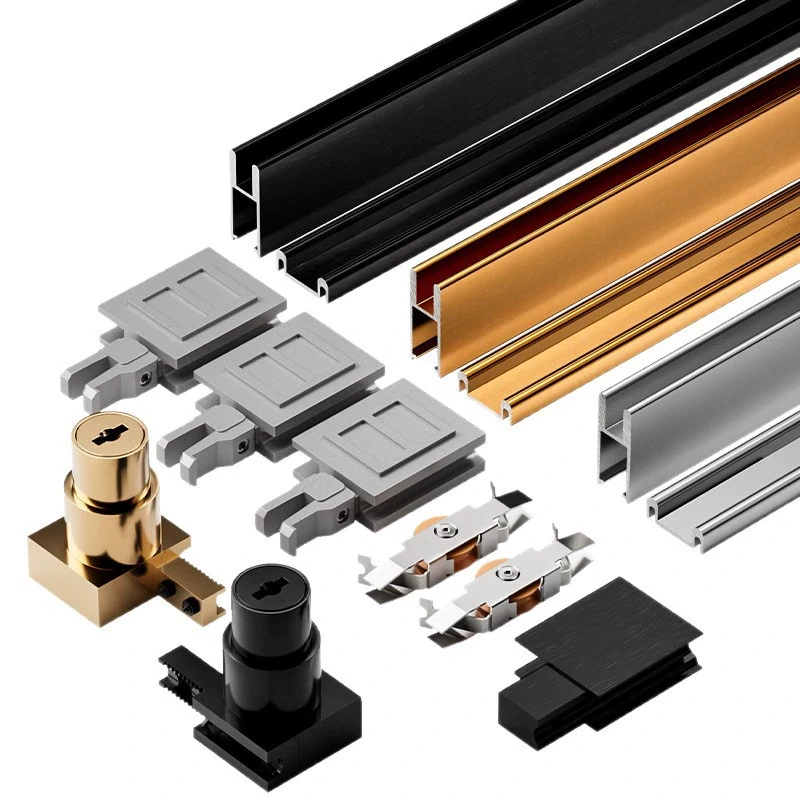
Detailed Sliding Door Stopper Installation Tutorial
Before You Start
Before installing Sliding Door Stopper, dry-fit Sliding Door Stopper on the furniture part and confirm the door gap reference. Mark from one clean datum edge, not from a damaged corner, so repeated pieces land in the same position. Measure the door gap, closing line, receiver location, and holding-force requirement before drilling.
Installation Method
During the Sliding Door Stopper work, use pencil first, then drill or fasten gradually. Keep the hardware square to the panel, leave adjustment screws loose until alignment is checked, and compare the result with the Catch, Latch, Magnet, and Damper Installation profile requirements. Mount the body and strike plate on the same centerline, then adjust for flush closing.
Final Check
After Sliding Door Stopper is mounted, operate, pull, load, or lock the part in the same direction a user will use it. Recheck gaps, screw seating, clearance, and surface damage before approving the Sliding Door Stopper installation for production. Close and release several times to check holding force, push travel, and consistent alignment.
Visual Step-by-Step Installation Guide
Step 1 of 6: Mark the catch or latch body position
Step by Step Installation Instructions
-
1
Mark the catch or latch body position For Sliding Door Stopper, mark the catch centerline, strike position, and door gap at the actual closing point. Use pencil for this operation and keep "door gap" as the main measurement check. Keep Sliding Door Stopper in position without fully forcing it until the alignment is verified. Before moving to the next step, confirm the reference line is visible, repeatable, and matches the product title and drawing requirement.
-
2
Align the strike plate or magnetic plate on the moving panel For Sliding Door Stopper, pre-drill small screw holes carefully so the latch body does not shift on the panel. Use square for this operation and keep "holding force" as the main measurement check. Keep strike plate in position without fully forcing it until the alignment is verified. Before moving to the next step, confirm the hole, cutout, or prepared surface is clean and does not break through the finished face.
-
3
Drill pilot holes For Sliding Door Stopper, place the latch or magnet body first, then align the strike plate to the same centerline. Use drill for this operation and keep "strike alignment" as the main measurement check. Keep mounting screws in position without fully forcing it until the alignment is verified. Before moving to the next step, confirm the hardware sits flush against the panel without rocking or twisting.
-
4
Fasten the catch and strike components For Sliding Door Stopper, tighten the body and receiver gradually while checking that the door still closes flush. Use screwdriver for this operation and keep "mounting hole spacing" as the main measurement check. Keep Sliding Door Stopper in position without fully forcing it until the alignment is verified. Before moving to the next step, confirm fasteners are seated firmly without stripping, crushing, or shifting the hardware.
-
5
Close the door to verify engagement For Sliding Door Stopper, adjust push depth, magnet contact, or roller pressure until the closing feel is consistent. Use spacer gauge for this operation and keep "push travel" as the main measurement check. Keep strike plate in position without fully forcing it until the alignment is verified. Before moving to the next step, confirm the gap, reveal, height, and working clearance are even from the front and side.
-
6
Adjust the gap, holding force, or push-to-open travel For Sliding Door Stopper, close and release the door repeatedly to check holding force and user feel. Use pencil for this operation and keep "door gap" as the main measurement check. Keep mounting screws in position without fully forcing it until the alignment is verified. Before moving to the next step, confirm movement, holding strength, and safety are acceptable before production approval.
Common Installation Mistakes
- Mounting Sliding Door Stopper without checking the door gap.
- Misaligning the strike plate or magnet center.
- Over-tightening small latch screws.
- Skipping push-to-open travel adjustment when applicable.
Safety and Installation Warnings
- Poor alignment can prevent push-to-open or magnetic holding performance.
- Wear eye protection and confirm all measurements before drilling.
Adjustment or Testing Notes
- Close the door against Sliding Door Stopper and verify consistent engagement.
- Check release force and holding force.
- Adjust the receiver until the door sits flush.
Installation FAQ
What tools are needed to install Sliding Door Stopper?
Typical tools include pencil, square, drill, screwdriver, spacer gauge. For production work, add jigs, depth stops, or templates when repeatable positioning is required.
What measurements should be checked before installing Sliding Door Stopper?
Check door gap, holding force, strike alignment, mounting hole spacing, push travel before drilling or fastening. Confirm dimensions against the product drawing and panel thickness.
Can Sliding Door Stopper be installed in MDF or plywood furniture?
Most furniture hardware can be installed in MDF, plywood, particle board, or solid wood when the pilot hole, screw length, load rating, and tightening torque match the material.
What is the most common installation mistake for Sliding Door Stopper?
Mounting Sliding Door Stopper without checking the door gap.
Can Sliding Door Stopper be ordered for bulk furniture production?
Yes. Use the guide to define installation drawings, samples, tooling, and inspection standards before bulk furniture hardware production.