
Brass Countertop Connector
Overview
Brass is chosen for countertop connector when the application demands its particular corrosion and strength profile. It pairs with compatible finishes to meet the target market and price point.
See the full Countertop Connector page for all sizes, materials, finishes, and specifications.
Industry Data
Use these product signals to compare fit, specification risk, and sourcing options before requesting samples or bulk pricing.
- Panel Thickness: 15-18 mm Confirm the exact value on the order datasheet before production.
- Housing / Bore: 8 mm dowel hole Confirm the exact value on the order datasheet before production.
- Bolt / Dowel Size: M6 x 34 mm cam dowel Confirm the exact value on the order datasheet before production.
- Joint Type: Right-angle cabinet joint Confirm the exact value on the order datasheet before production.
- Material: Zinc die-cast cam with steel bolt Confirm the exact value on the order datasheet before production.
- Material options: Stainless Steel, Carbon Steel, Zinc Alloy, Aluminum and Brass Choose material by strength, corrosion exposure, and target price.
- Finish options: Pewter, Chrome, Satin Brass, Black Nickel and Stainless Steel Confirm finish samples when color matching matters.
- Application fit: Wardrobe Cabinets, Closet Systems, Bedroom Furniture and Living Room Furniture Match the product to the furniture use case, not only to the part name.
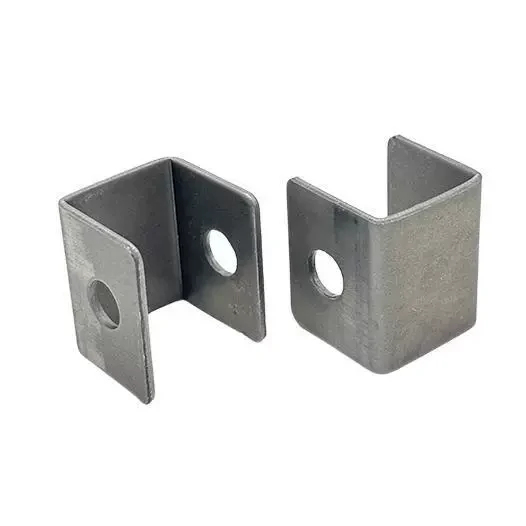
Key Specifications
| Panel Thickness | 15-18 mm |
|---|---|
| Housing / Bore | 8 mm dowel hole |
| Bolt / Dowel Size | M6 x 34 mm cam dowel |
| Joint Type | Right-angle cabinet joint |
| Material | Zinc die-cast cam with steel bolt |
| Assembly Tool | Quarter-turn cam |
Values are configurable for OEM/ODM orders and confirmed on your datasheet.
Selection Factors
- Knock-down (KD) assembly and whether it must be re-openable
- Cam lock + dowel systems vs bolt-and-barrel-nut joints
- Panel thickness and the matching drilling pattern
- Drilling diameter and depth for the cam housing and dowel
- Joint strength and how many times it will be assembled
- Flat-pack / RTA packaging and tool-free or single-tool assembly
Installation Notes
Bore the cam housing and dowel holes to the system pattern, press in the dowels, insert the cam bolt, drop the cam, and turn a quarter-to-half turn to draw the joint tight. Drilling accuracy is what makes the joint flush.
⇲ Animated Installation Guide
Step-by-step SVG diagrams for installing Countertop Connector.
Open the installation guide →Related Applications
Request Bulk Pricing
Tell us your volume and target market. We reply with pricing, samples, and datasheets.
Request a Quote
Tell us your project requirement. Our engineers reply within one business day with bulk pricing, datasheets, and installation drawings.